
A cryonics standby, stabilization and transport team, based in Calgary.
Preservation is a race against time. We stand by at the bedside, begin stabilization the moment legal death is pronounced, and transport the patient to their provider.
- Status
- Standing by
- Base
- Calgary, Alberta
- Facilities
- Operations near YYC AirportDowntown build-out underway
- Vehicle
- Van, fitted for cold transport
- Equipment
- Ice bathStabilization and perfusion kit
The film
This is the team from the film.
Relax, Open Your Eyes follows Carrie and Witek Radomski as they build cryonics capability in Calgary. If you came here from a card handed out at a screening, you are in the right place.
- CIFF · CalgaryFri Sept 25, 2026 · 6:15 PM
- VIFF · VancouverFri Oct 2, 2026 · 6:00 PM
- CIFF · CalgarySun Oct 4, 2026 · 11:15 AM
- VIFF · VancouverTue Oct 6, 2026 · 3:15 PM
What we have
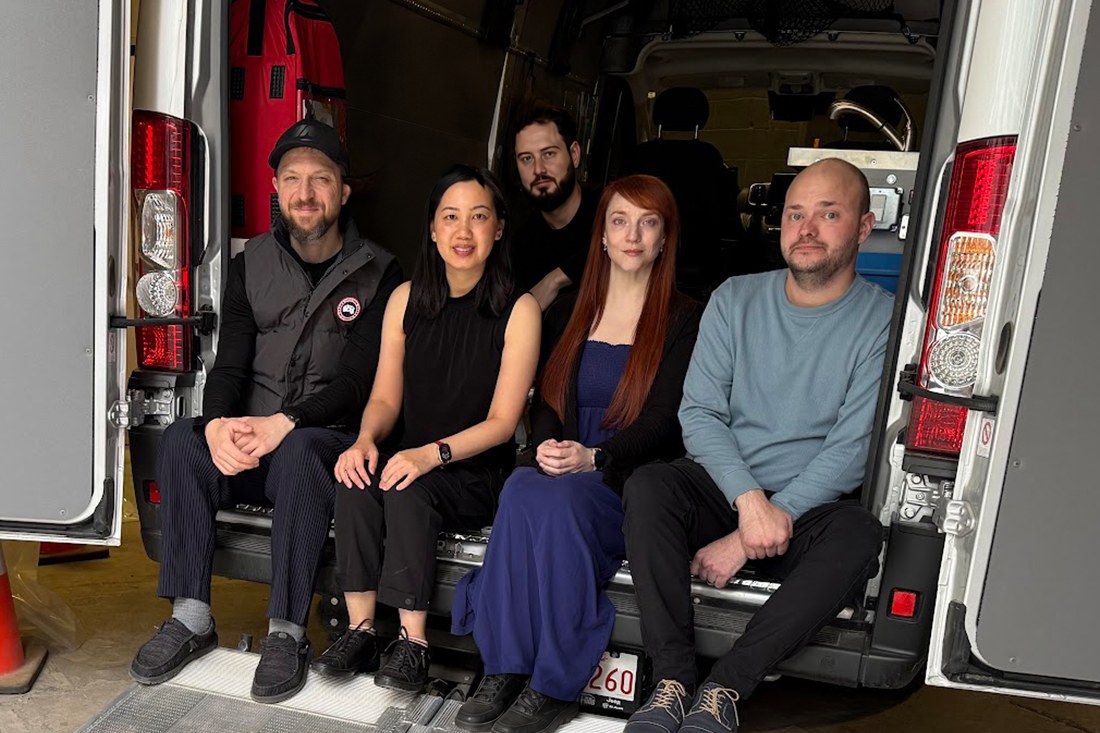
Local Response Team
People in Calgary who take the call and go, and who have worked on other organizations' cryonics cases in the United States.
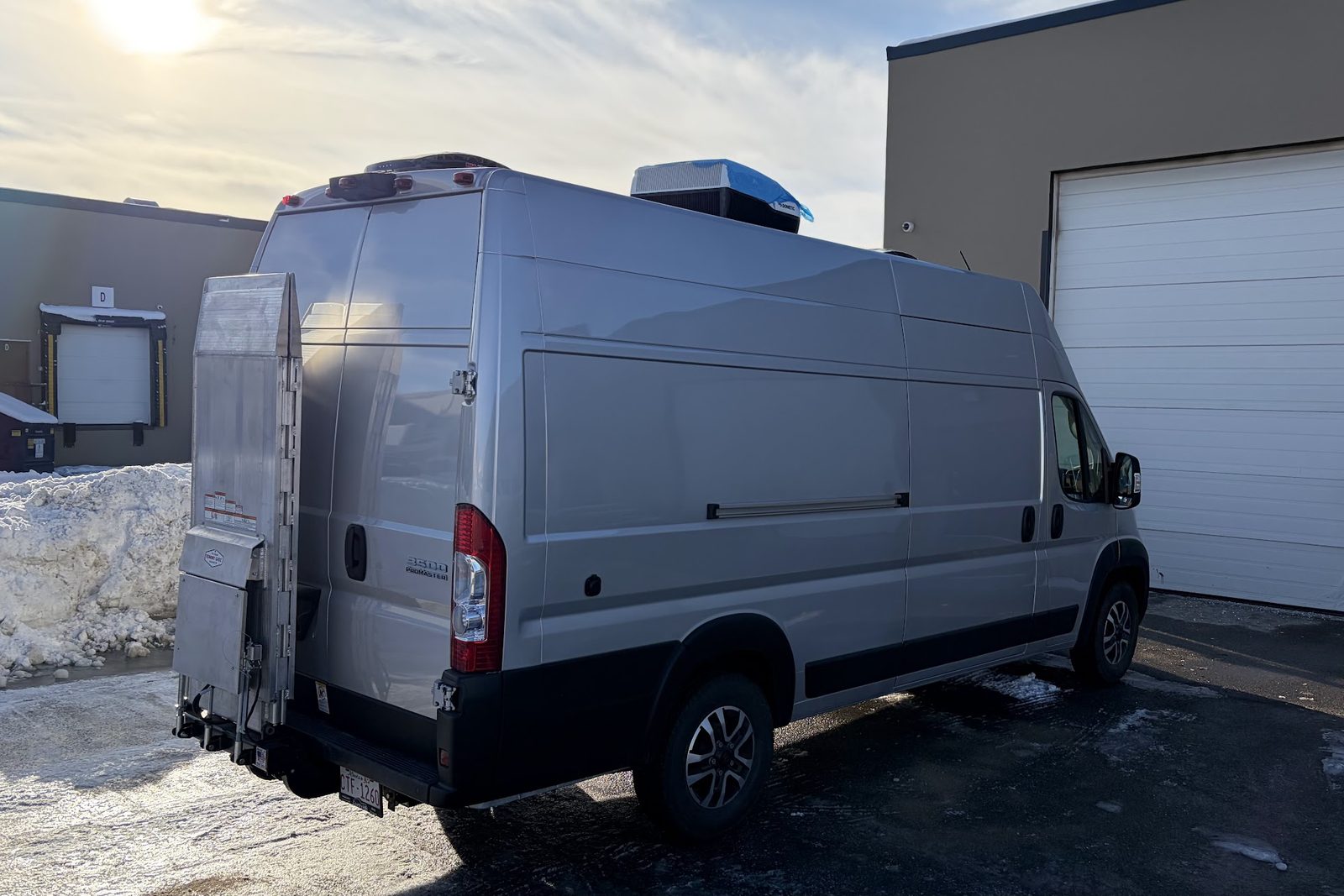
A response vehicle
Equipped for standby and cold transport.
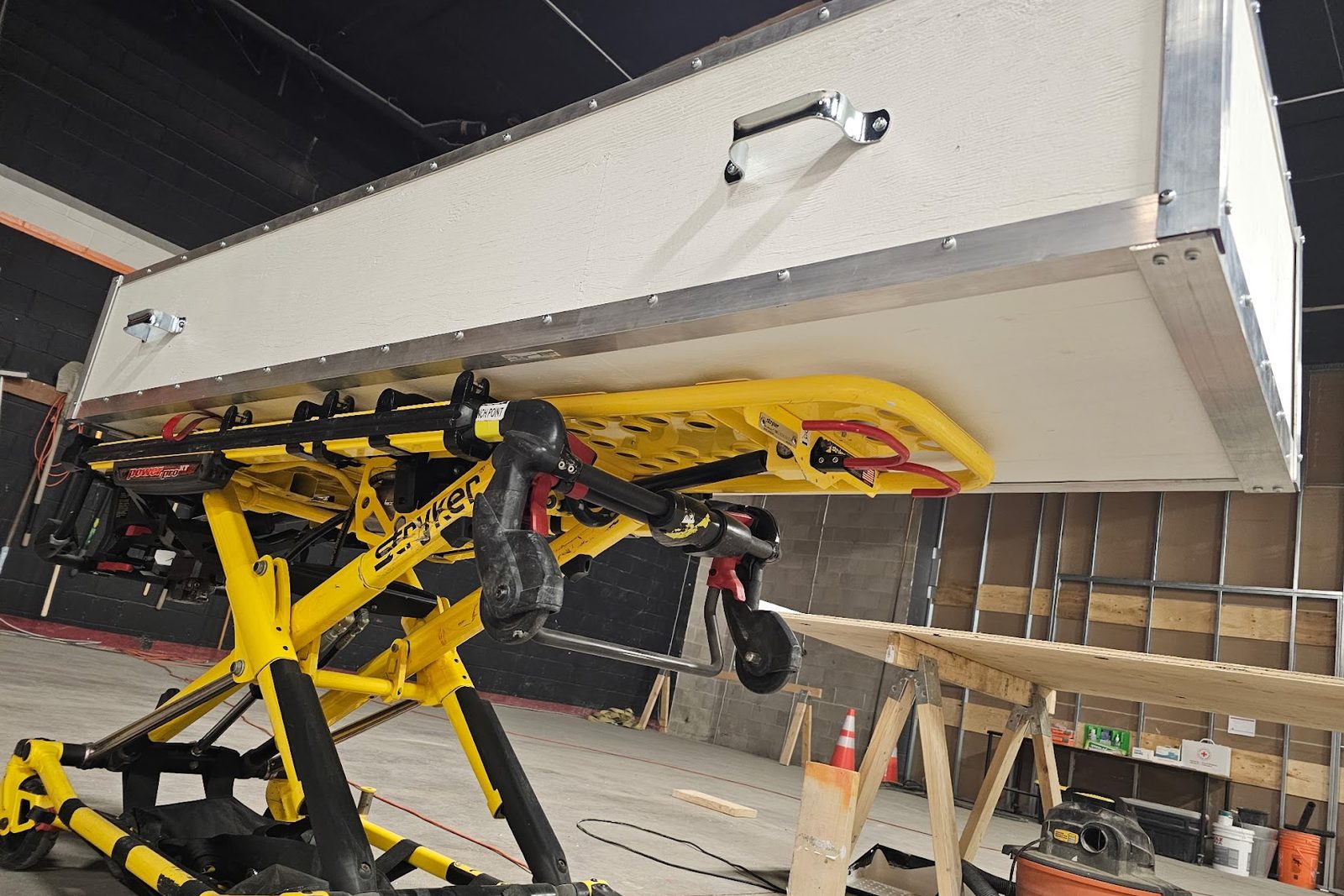
Ice bath, stabilization and perfusion equipment
Cooling, circulation, perfusion and transport equipment, with the medications and checklists that go with it.
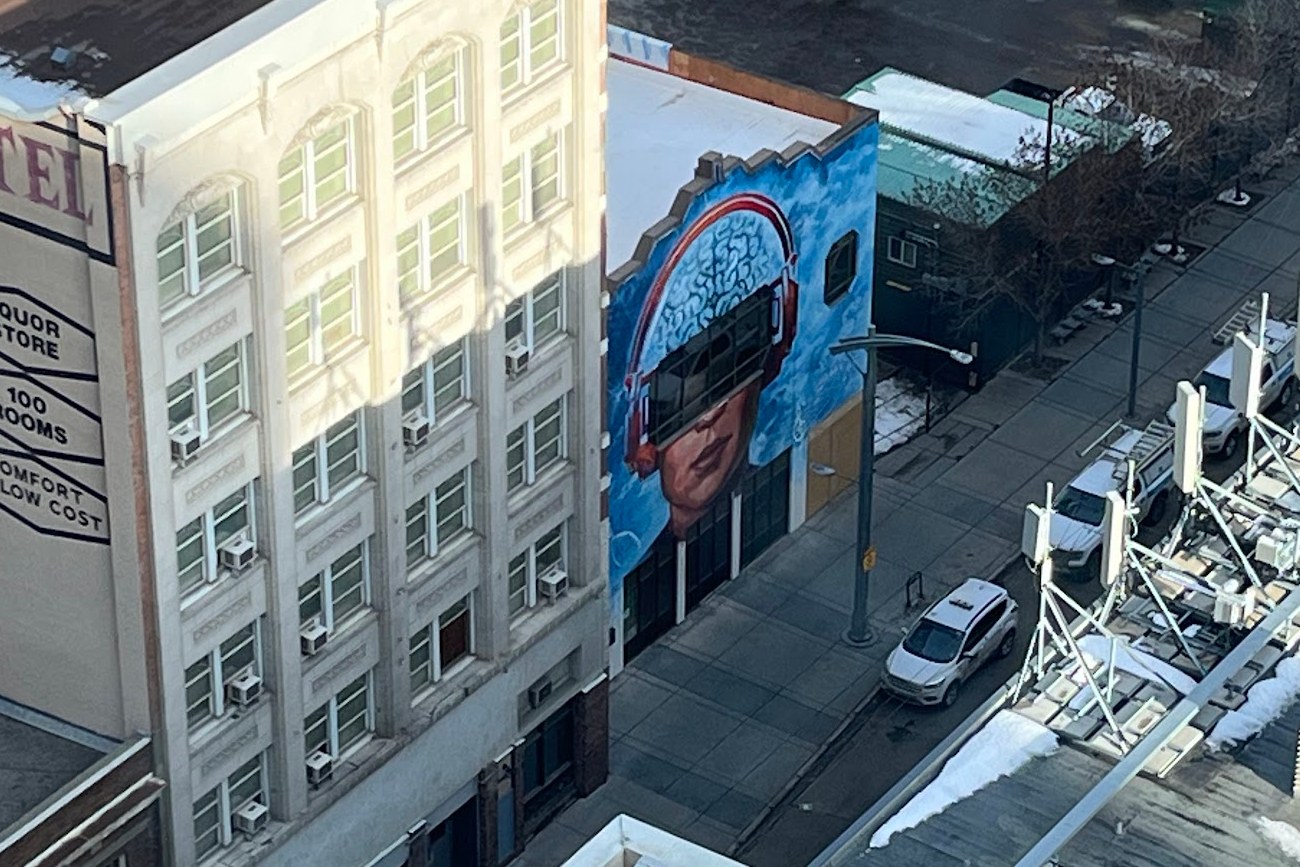
An operations facility, and a building in progress
Near YYC Airport, where the equipment is kept and checked. Downtown, the club's building at 128 7 Ave SE is being built out as the future home of a biostasis facility.
What we are trying to be
We are trying to be boring.
Cryonics has never been short of ambition. What it has lacked is the dull machinery of a reliable service: rehearsals, equipment with dates against it, a written record of what happened — including the parts that went badly — and numbers published whether or not they flatter us. That is what we are building.
On the worst day of your family's life, the most valuable thing we can be is predictable.
- Rehearsed
- Unannounced call-outs, full wet runs, and an equipment calendar.
- Measured
- Time to mobilise, time to first cooling, ischemic exposure, complications.
- Published
- Per case to the receiving organization, and in summary to everyone else.
What we do
Five steps, from body temperature to liquid nitrogen.
The number in the corner follows the patient's temperature as you read.
1 · Standby
37°C
Body temperature
We go to the bedside.
When a member is critically ill, the team deploys and waits with the equipment ready, so stabilization can start the moment it is needed.
2 · Stabilization
20°C
Ice-water bath
We cool the patient and keep blood moving.
Immediately after legal death: cooling in an ice-water bath, cardiopulmonary support, and medications that protect the brain.
3 · Surgery
4°C
Perfusion
We perfuse the body with cold cryoprotectants.
The blood is first replaced with a cold carrier solution, and only then is cryoprotectant introduced — in stages, in a solution that circulates through the body, cooling it rapidly and protecting the tissue from ice damage.
4 · Transport
−79°C
Dry ice
We transport the patient to their provider.
Cold transport to the member's long-term cryopreservation provider. We handle the documentation and coordination.
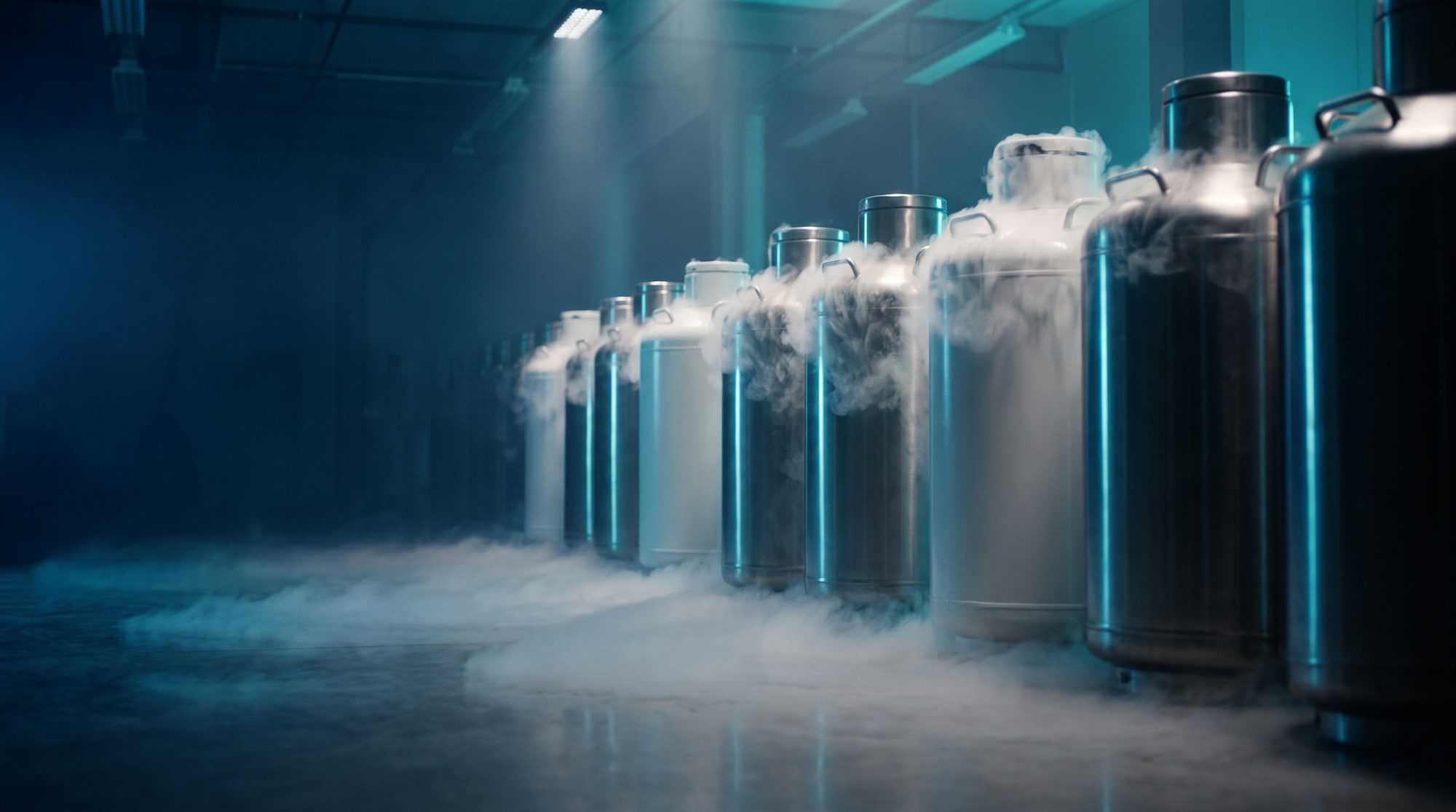
5 · Long-term care
−196°C
Liquid nitrogen
The provider takes over.
Long-term storage happens at the member's chosen cryonics organization, in liquid nitrogen.
Getting coverage
Step 1
Tell us where you are
Name, email, province. That is the whole form.
Step 2
We talk
Your provider, your health, your family. We tell you what we can do today.
Step 3
We make a plan
Contacts, paperwork, and the standby plan for your situation.
Questions
What is biostasis?
Why does a standby team matter?
Is Biostasis Response operating today?
Do I need a separate cryonics provider?
How do we reach you when it matters?
Who do you work with?
I'm not in Alberta. Can you help?
I'm a journalist. Who do I talk to?
Interested in coverage in Canada?
Join the list and tell us your province. We will reach out.
Temp
37.0°C